
16 States Fall Short On Health Plan Appeal Systems
Sixteen states and the District of Columbia don’t meet under the federal health law for consumers to to a third party, according to the .
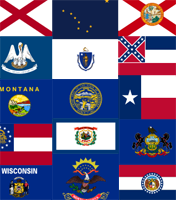
As a result, by 2012, these states will have to contract with three � to handle consumers’ grievances, or contract with the Department of Health and Human Services to oversee the process. The states are Alabama, Alaska, Florida, Georgia, Louisiana, Massachusetts, Mississippi, Missouri, Montana, Nebraska, North Dakota, Ohio, Pennsylvania, Texas, West Virginia and Wisconsin.
Federal officials say most of the 16 states did have external appeals systems to handle consumer complaints, but they did not meet the consumer protections required by the law. So, in at least some states, the move to a new review system is creating concerns among health plans about having to meet both federal and state external appeals rules. In Florida, for instance, health plan officials say they worry the change could mean insurers will be subject to two types of external review —Florida’s existing “� and the new federal system.
“We believe there is a role for external review … but there is a substantial concern that individuals will be able to go to both entities and get conflicting opinions,� said Michael Garner, chief executive of the Florida Association of Health Plans. “It opens up a lot of questions.�
The problem with Florida’s existing system is that it only allows appeals from members of HMOs, not other types of insurance. And the people on the external review boards are state regulators and don’t have the medical expertise required , said Mary Beth Sankewicz, who until last week was Florida’s deputy insurance commissioner.
Garner said health plans also are concerned that out-of-state organizations could be making decisions involving their members and Florida laws.


