Christine Porter is hooked on the My Fitness Pal app. In October, after deciding to lose 50 pounds, Porter started typing in everything she eats, drinks and any exercise she gets.
鈥淭his is like my main page here,鈥� says Porter, who lost 42 pounds in nine months. 鈥淚t鈥檚 telling me I have about 1,200 calories remaining for the day. When I want to record something I just click the 鈥榓dd to diary鈥� button.聽I鈥檓 on it all day either through my phone or through the computer.鈥�

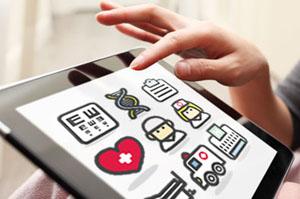
Health apps such as My Fitness Pal are turning smartphones and tablets into exercise aides, blood pressure monitors and devices that transmit an EKG.聽And the day is not far off when doctors may be suggesting apps along with prescribing drugs to help patients manage their health. But the explosion of apps is way ahead of tests to determine which ones work.聽
Porter heard about the app from Ryan Sherman, her health coach at of Massachusetts General Hospital. Sherman helps clients turn聽a doctor鈥檚 orders into a user friendly action plan for keeping high blood pressure or sugar levels in check.
Increasingly, says Sherman, patients with diabetes or heart problems are coming in, pulling out their phones, and saying hey, have you seen this app?
鈥淭here鈥檚 a new one every day, so it鈥檚 trying to keep up with that,鈥� Sherman says.
Which is one reason why many doctors are suggesting, but not prescribing apps. Doctors aren鈥檛 sure which of the roughly 40,000 available apps do what they claim to do. The U.S. Food and Drug Administration divides health apps into two categories: those that help with healthy lifestyles and those that turn your phone into a medical device to, say, record blood pressure or an EKG, and then send those readings to a doctor.
The FDA is revising regulations for .聽It does not plan to regulate diet or exercise apps. A few private companies are stepping in to do that task. Ben Chodor started Happtique, a company that reviews apps and gives those are at least perform correctly, a seal of approval.
鈥淚t鈥檚 the Wild West and someone needs to come in and at least help the consumers and the clinicians and the payers sort through the 40,000-plus apps that are already out there,鈥� says Chodor.
Happtique will not say which apps work better than others or guarantee their safety. Still, some doctors say apps that work are transforming medicine. Dr. Eric Topol, the chief academic officer at Scripps Health in San Diego, says apps that monitor blood pressure or glucose rates can be聽more valuable than prescriptions to keep these conditions in check.
鈥淲hen we use a medication we don鈥檛 know if it鈥檚 going to work or not.聽 It鈥檚 much better when a person鈥檚 taking their blood pressure on a frequent basis,鈥� says Topol.聽
Some apps work with another device, such as when a person wears a blood pressure monitor tha transmits the data to the person鈥檚 phone. 鈥淭he average person looks at their smart phone 150 times a day,鈥� says Topol. 鈥淎ll of a sudden, they鈥檙e able to diagnose if their blood pressure鈥檚 adequately controlled and what are the circumstances when it鈥檚 not.鈥�
Topol says apps that control聽blood pressure will help prevent strokes and heart attacks and may mean doctors should prescribe phones and tablets in addition to apps.聽But Dr. Laura Ferris at the University of Pittsburgh, urges patients to use apps cautiously.
鈥淚t does make sense that people who download these apps and use them really understand that they are doing so at their own risk,鈥� says Ferris.
Ferris that claim to detect cancer based on a picture of a mole. Only one of the apps sends the 聽picture of your suspicious mole to a dermatologist.聽It was right 98 percent of the time.聽
Three others, says Ferris, could be dangerously wrong: 鈥淭he best of them missed melanoma 30 percent of the time. The worst of them missed melanoma over 90 percent of the time.鈥�
Despite the growing interest in medical apps, there are many unresolved questions about their use: Should all the information patients collect become part of their medical record and how?聽Who in the doctor鈥檚 office analyzes patients鈥� numbers? Will insurers cover the cost of apps?
Dr. Ben Crocker, at the Mass General clinic that is testing a few apps, says those are questions doctors will have to answer.
鈥淭his is what鈥檚 engaging patients,鈥� says Crocker.聽鈥淧atients are coming to their doc for the first time saying, 鈥業鈥檝e been collecting some information or I鈥檝e been using this application.鈥櫬� And that, I think we can鈥檛 ignore no matter where this is taking us, no matter how Wild West it feels.鈥�
This story is part of a partnership that includes , , and Kaiser Health News.