
Rivlin On Medicare And The Debt: ‘We Know What To Do’
Whoever ends up controlling the White House next year ��� Barack Obama or Mitt Romney —��will have to make compromises if they are to solve the nation���s current budget and health care crises.
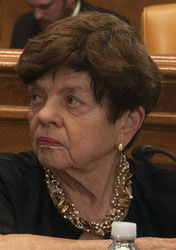
���I think we know what to do,�����Alice Rivlin, a former director of the Office of Management and Budget, said Friday afternoon as part of a Brookings Institution panel about how the next president could curb spiraling health care costs.
Rivlin,��now a senior fellow at Brookings, wrote in a published Friday that the ���federal budget is on an unsustainable path��� and Medicare reform is ���essential��� to addressing these dire fiscal straits. She gave the concept of ������ a nod, offering this approach as a means of moving toward debt reduction. Her primary example was��the bipartisan Domenici-Rivlin plan, which she drafted with former Sen. Pete Domenici in 2010. She also mentioned��the Ryan-Wyden Medicare plan, advanced by House Budget Committee Chairman Paul Ryan, R-Wis., and Sen. Ron Wyden, D-Ore.
Placing traditional Medicare in competition with private insurers is ���not a risky, pernicious thing,��� Rivlin said during the panel. While much of this year���s election will focus on contrasting views over premium support, tax revenue and other areas, Rivlin expects bipartisan progress early next year.
Panelist Thomas Mann, also a��Brookings senior fellow,��argued that bipartisan consensus is not possible ��� ���it���s a pipe dream,��� he said, underscoring comments from his own . Given the Republican party���s ���ideological extremism and non-negotiable demands,��� Mann wrote it would be better ���to accept the reality of today���s intense and asymmetric polarization and challenge each party to make its best case in the election campaign.���
Speaking generally about��premium support models for Medicare, Mann said, ���it���s possible it could work,��� but he first wants to see if health insurance exchanges will help empower consumers to make smart choices. He was not enthusiastic about the Ryan-Wyden plan.
If the health law is upheld by the Supreme Court, Rivlin ��wrote that the health law ���should be fine-tuned but not repealed,��� pointing to provisions ��� like the exchanges ��� that should go forward regardless of who controls the White House. In addition, the law���s Independent Advisory Board ���should be strengthened,��� she said. The board would help control costs, but has become a flashpoint for Republicans and an increasing number of Democrats.
Rivlin added that a ���sensible tort reform provision��� should be added to the law. This might include a push for medical practice guidelines or caps on payments. And if the individual mandate is struck down by the Supreme Court, ���the president should work with Congress to find a constitutional way to ensure that almost everyone has health insurance and is in a risk pool.���
Ross Hammond, another Brookings fellow, to Rivlin, calling for ���a renewed focus by the next president on obesity prevention.��� Chronic disease costs could be brought down through investing in public health research and improving coordination among government agencies, Hammond wrote.


